

tOWARDS ZERO WASTE
Toward Zero Waste Support
Toward Zero Waste services have transitioned to Sustainable NCW, continuing to offer waste assessments, consultation, and education that help individuals and businesses reduce waste and make meaningful environmental impacts.
What is Towards Zero Waste?
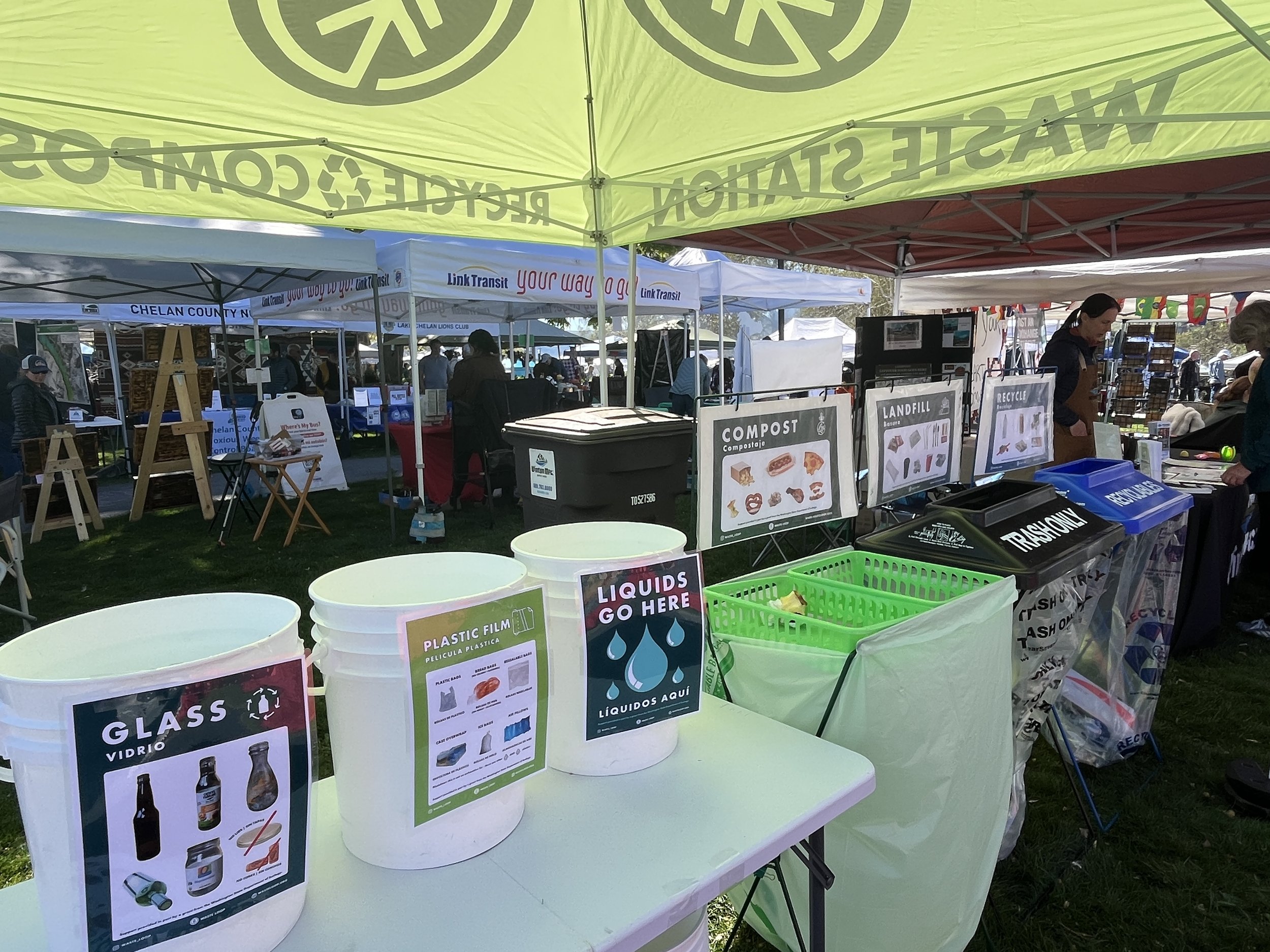
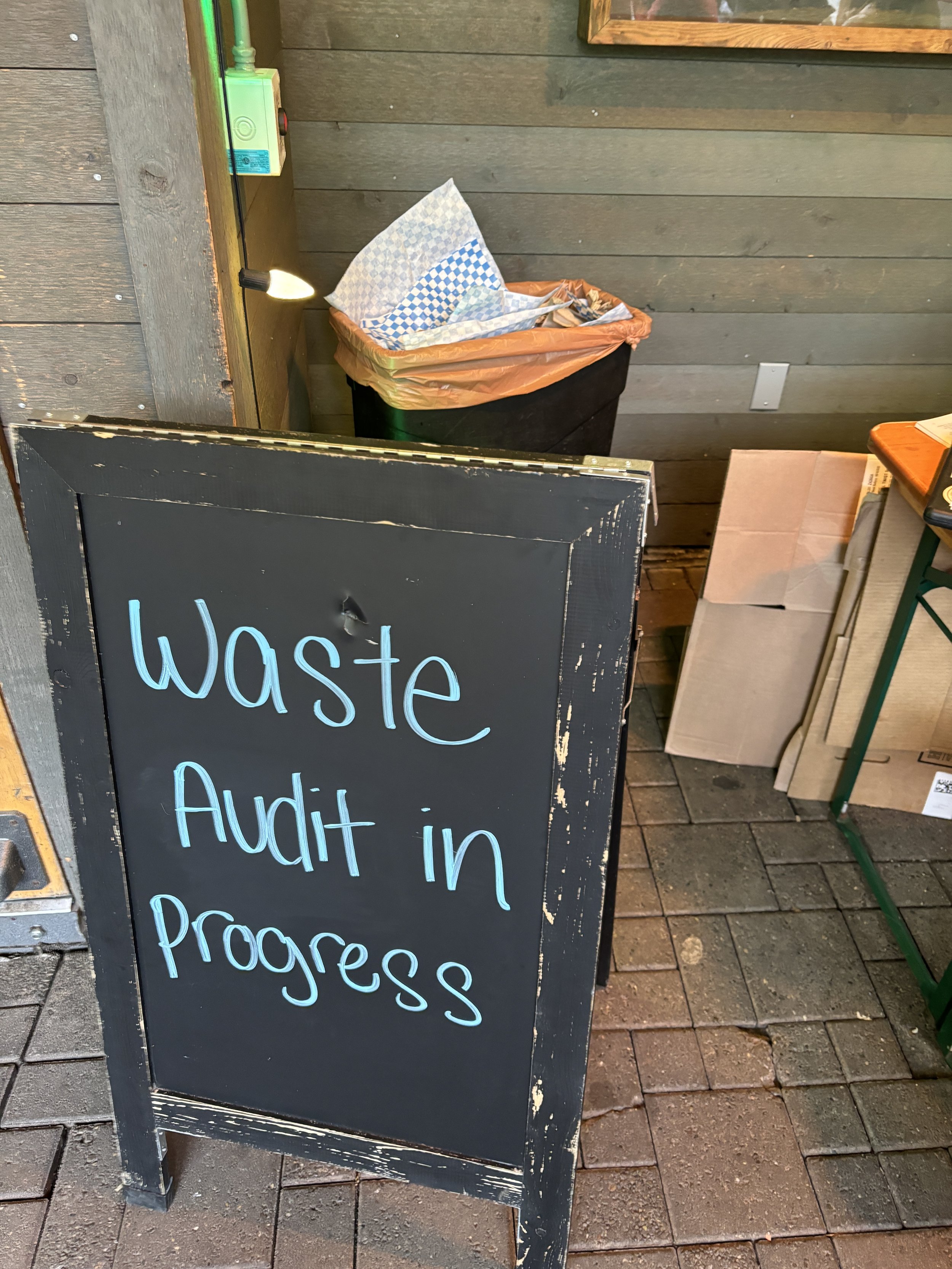
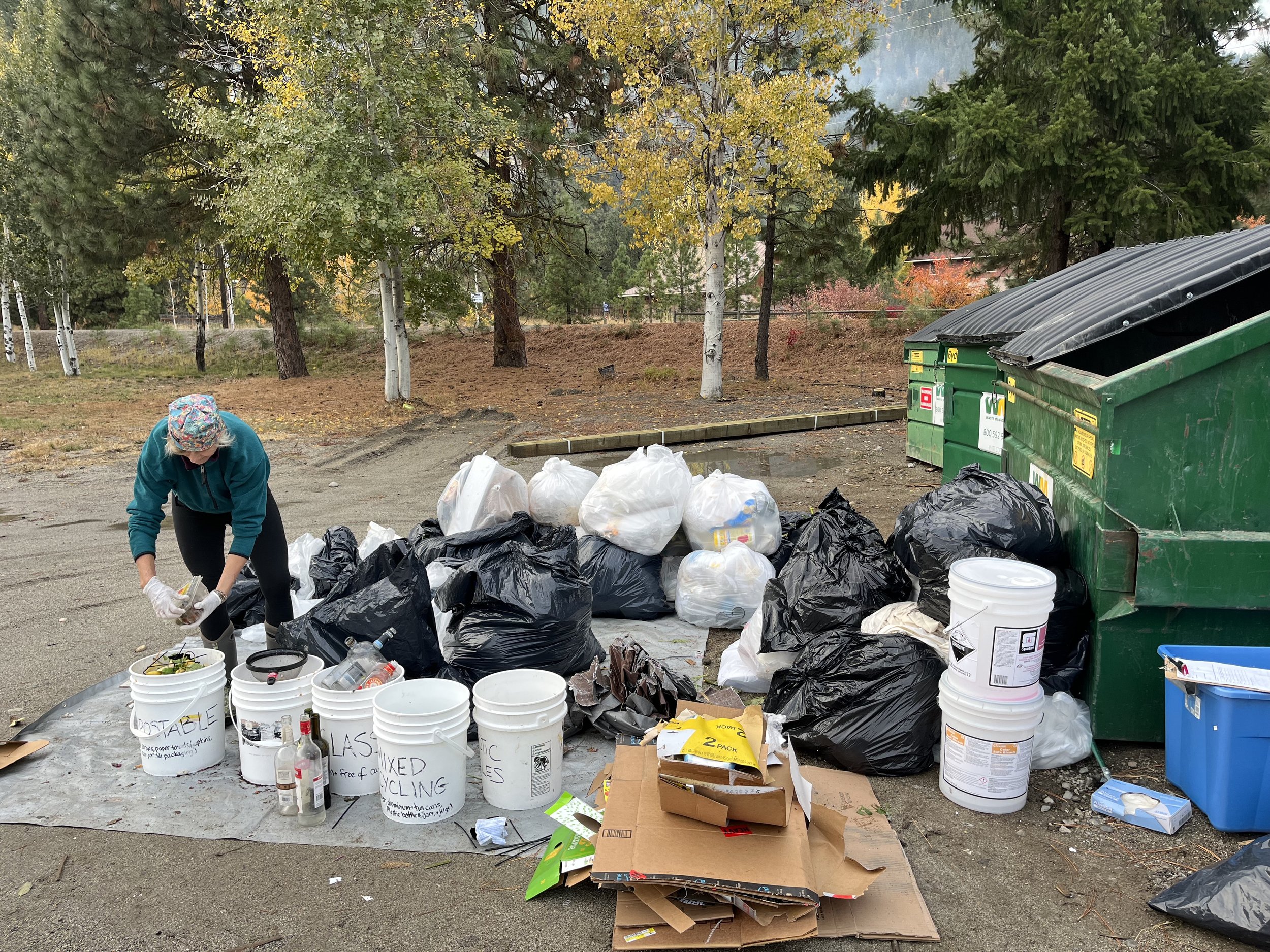
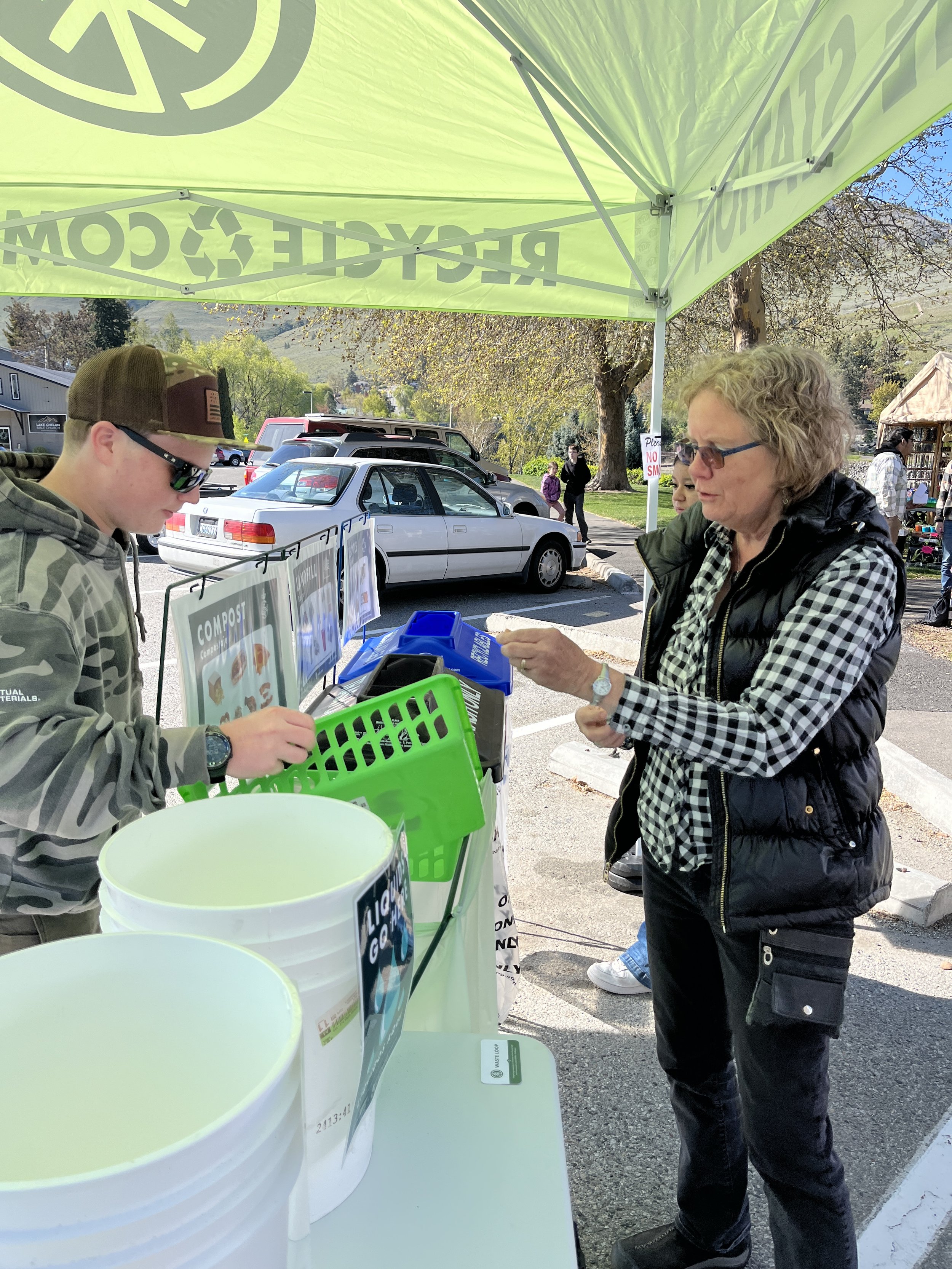
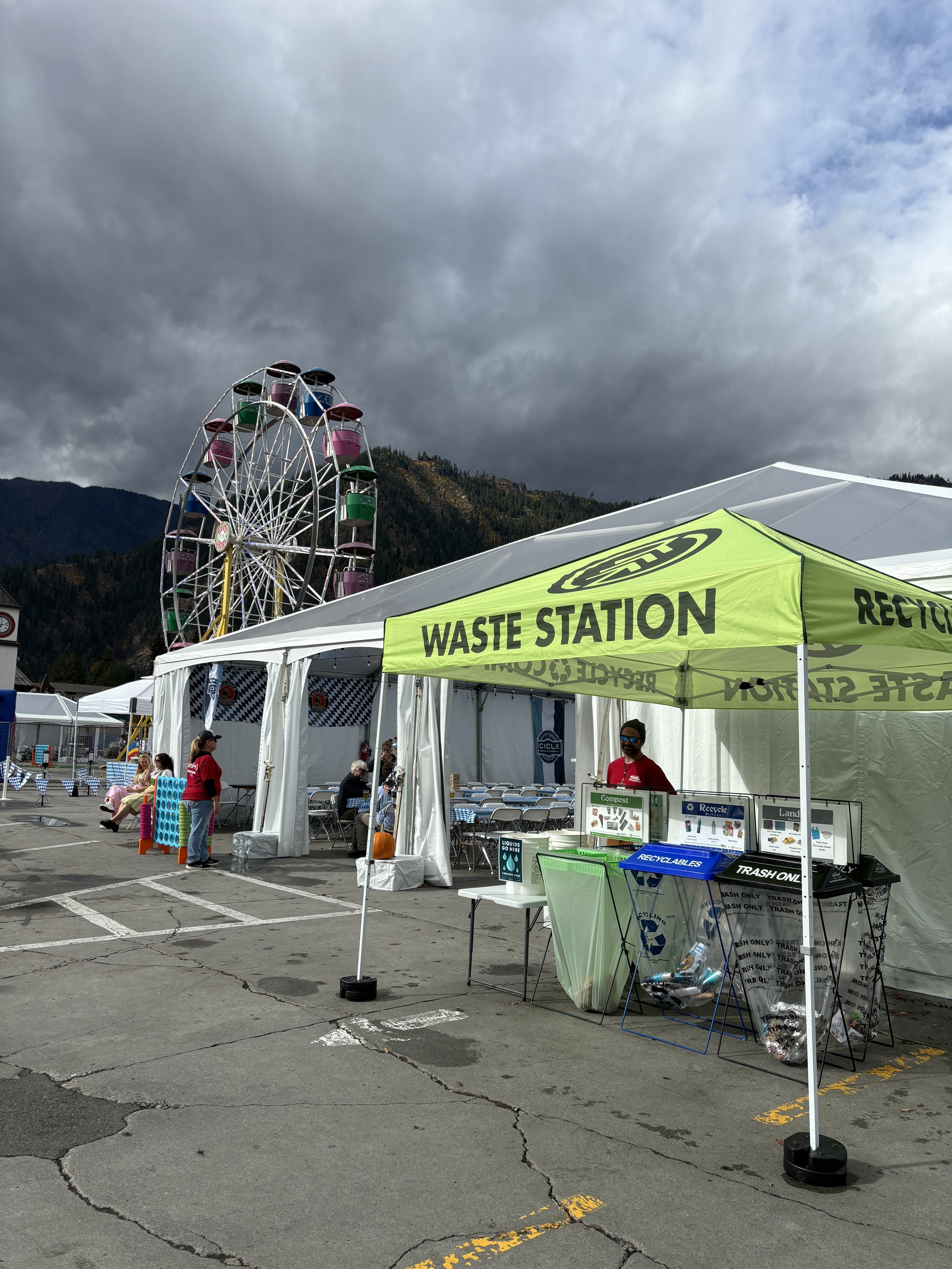
The Towards Zero Waste movement challenges us all to think about waste differently. After all, what is 'waste' but a potential resource? When moving Towards Zero Waste (TZW) one gives careful consideration to the products used in their business and where they might end up afterwards. The goal is to reduce our impact by minimizing resource use and reducing the amount of waste sent to the landfill. Planning in this manner may result in items being recycled, composted or avoided altogether. Free Resources to Help yOU transition Towards Zero Waste
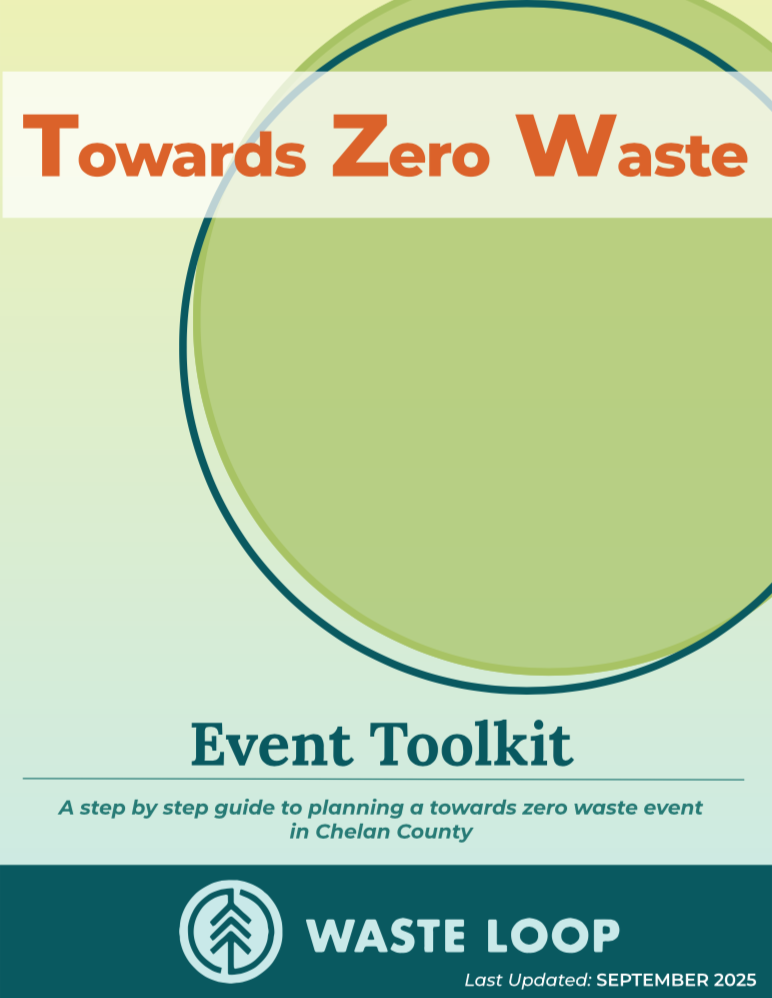
TZW Event Toolkit - English

TZW Event Toolkit - Spanish
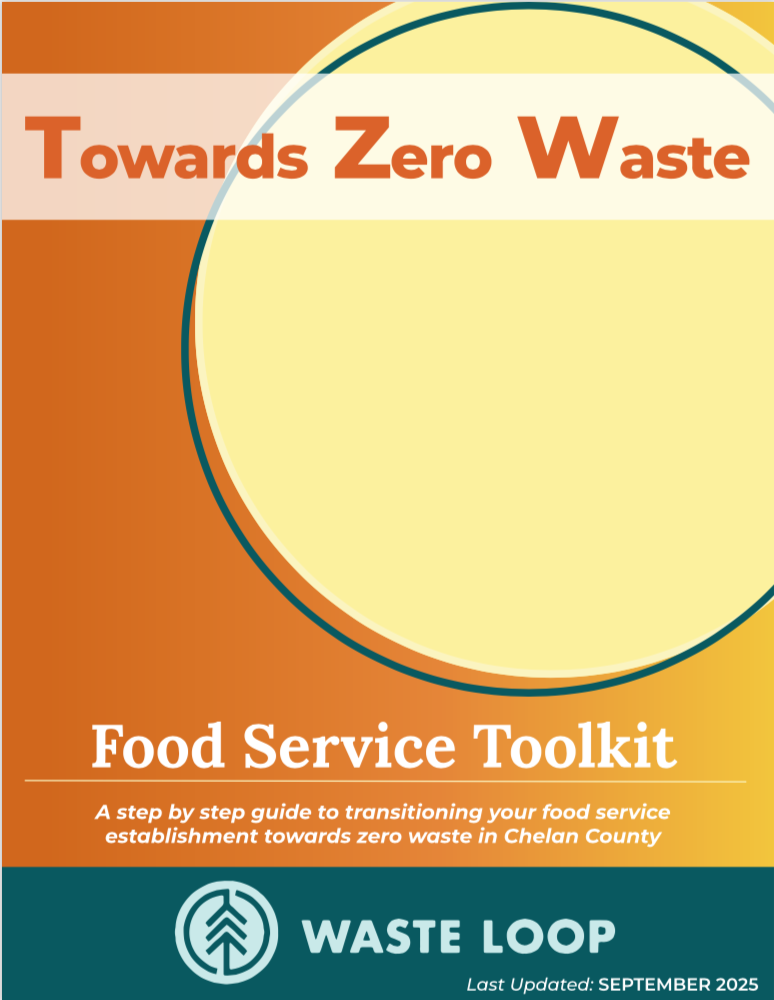
TZW Food Service Toolkit - English

TZW Food Service Toolkit - Spanish

TZW Hospitality Toolkit - English
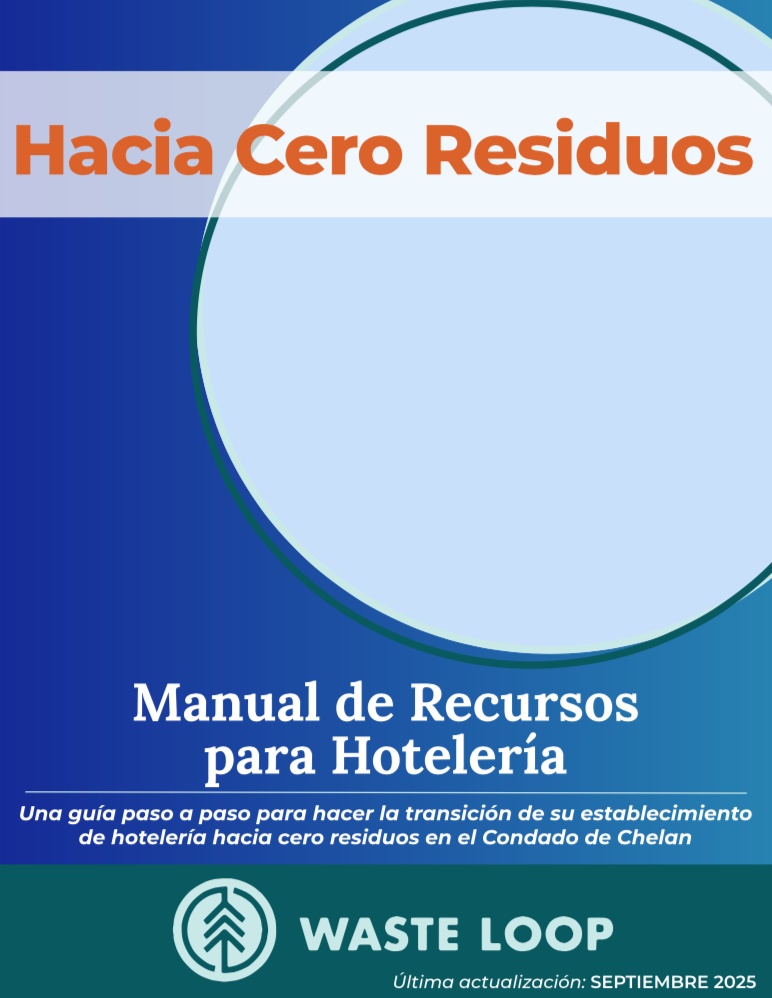
TZW Hospitality Toolkit - Spanish

TZW School Toolkit - English

Bilingual Towards Zero Waste Signage
Testimonials
“It [TZW] may not be glamorous, but I think one of the MOST important jobs done that weekend!”
-Community Member
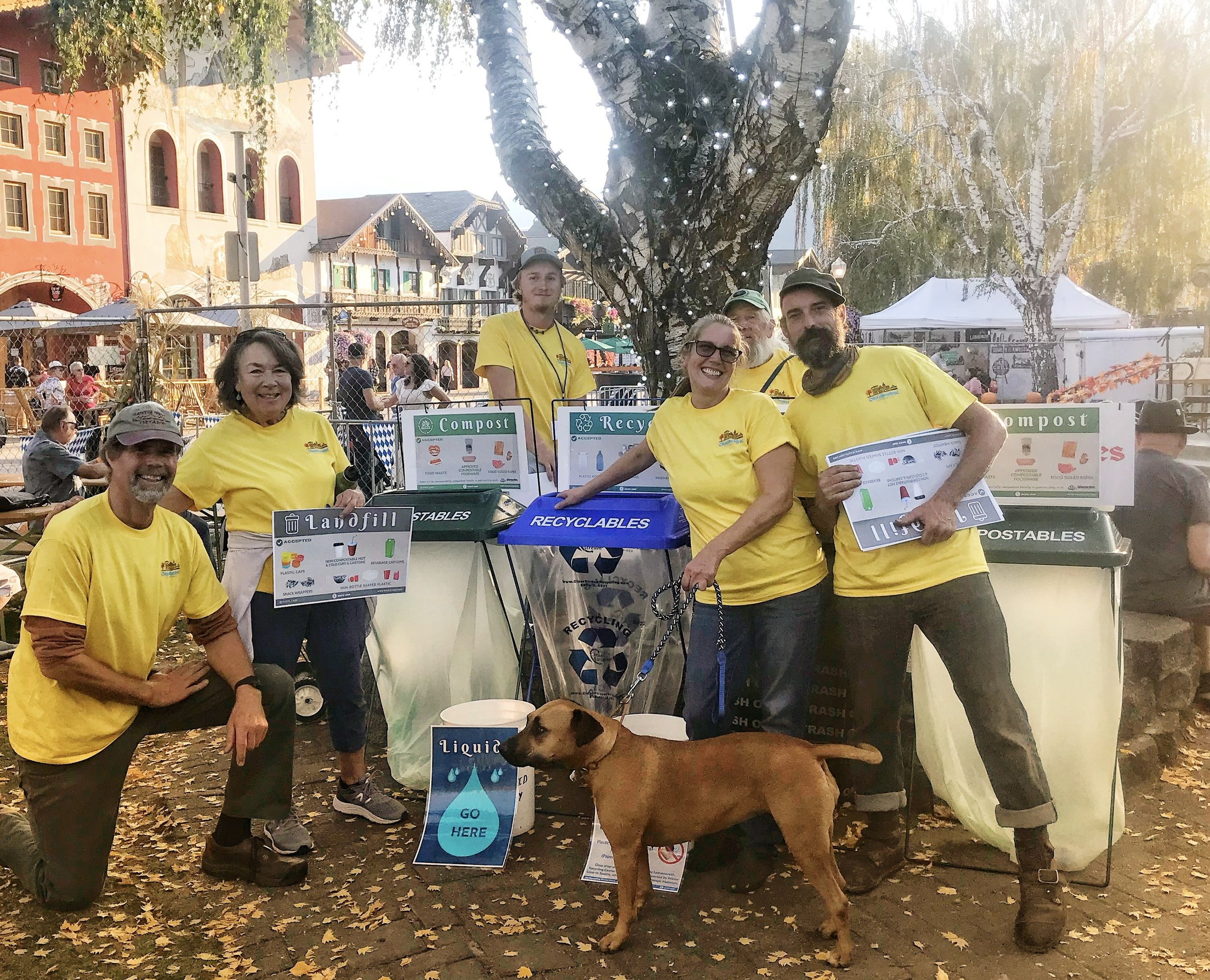
“To me, You [TZW] were the best part of the crew! Knowing that you educated and sorted and collected made me feel that much more comfortable partying!”
-Oktoberfest Attendee
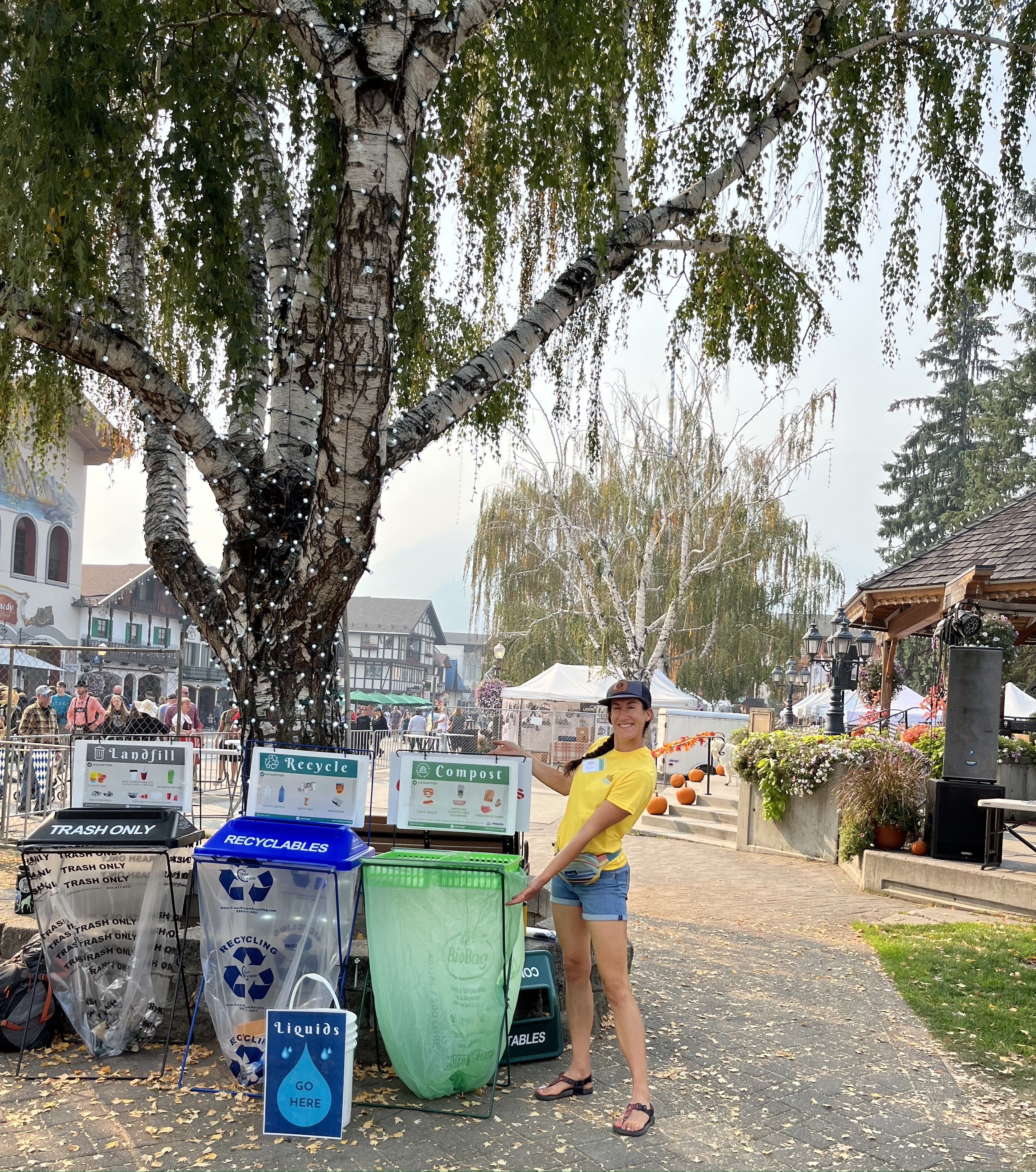
“This crew [Waste Loop] was amazing and very dedicated! Sticking their hands and sometimes faces into the trash bags to sort mis-tossed trash & compost! So fun to work with too!”
-Event Staff
Get In Touch!
Want to talk to someone on our team about ways you can reduce event waste? Get in touch!
Support provided, in part, by a grant from the Washington State Department of Ecology.